Blog

For a while, the internet seemed to agree on what a nice home was supposed to look like.
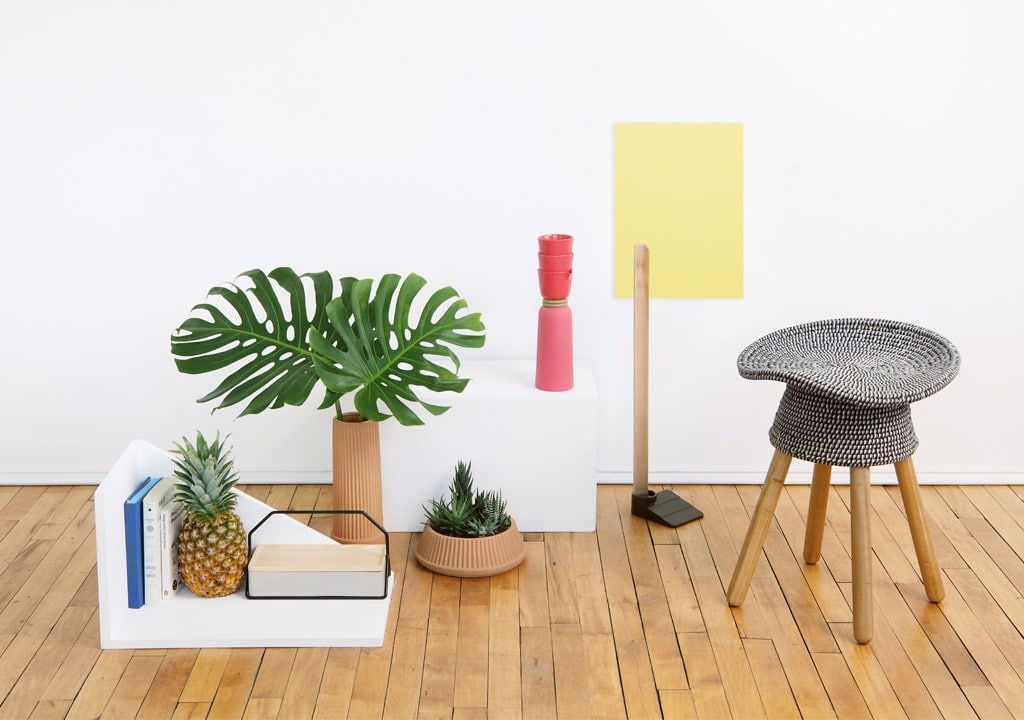
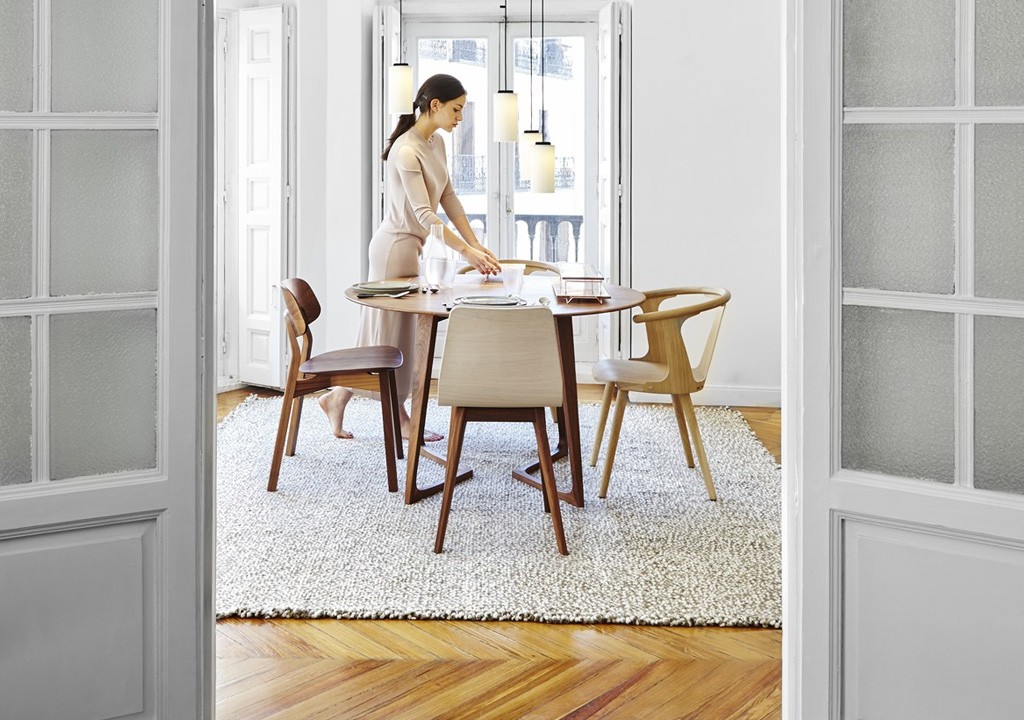
White walls. Pale wood. Neutral sofa. A carefully placed vase. Maybe a boucle chair if you were feeling adventurous.
Everything matched. Everything photographed beautifully.
And after seeing some version of the same room over and over, everything started to look a little…same.
Now the pendulum is moving.
Color is showing up again. Pattern is getting bolder. Art is getting bigger. Shelves look collected instead of staged. The odd little object you bought on vacation gets to stay out.
Homes are starting to look like people live in them again.
Personality is back in the room.
The matching era had a good run
There’s nothing wrong with a neutral room.
Cream sofas are not the enemy. Neither are white walls, natural wood, or a beautifully uncluttered space.
The shift isn’t really about throwing out one design style for another. It’s about moving away from the idea that there is one particular formula for a home that looks right.
Social media made that formula especially easy to spot.
One room caught on, then another looked like it. Certain colors, furniture shapes and accessories appeared everywhere. Retailers followed. Soon, you could recreate the look almost piece for piece.
It made decorating easier.
It also made it surprisingly easy to end up with a home that looked great but didn’t say much about the person living there.
A statement home doesn’t mean a loud home
“Statement” can sound like we’re about to cover every wall in wallpaper and bring home a purple velvet sofa.
You can.
But you don’t have to.
A home with personality can be quiet, colorful, minimal, layered, traditional, modern or somewhere in between.
The difference is that the choices feel specific.
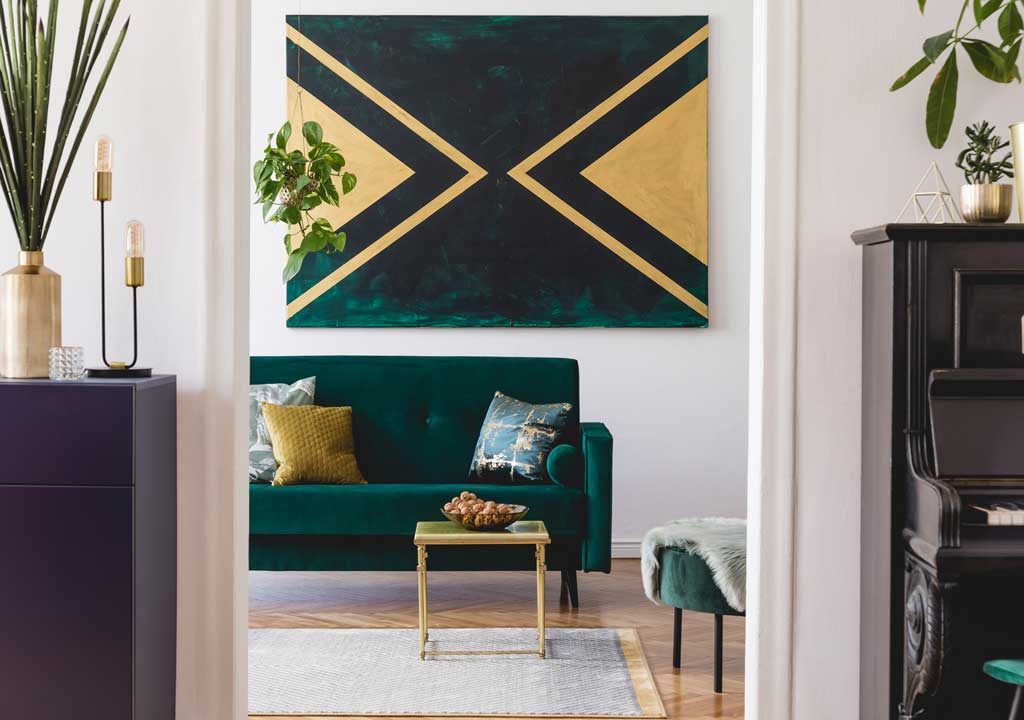
Maybe it’s an oversized painting above an otherwise simple sofa.
A handmade ceramic bowl that isn’t perfectly symmetrical.
A vintage chair sitting next to a brand-new table.
Books you actually read instead of books chosen because their spines match.
A strange little sculpture that makes absolutely no sense to anyone but you.
A patterned lampshade.
The good glasses sitting out on a Tuesday.
None of those things require a decorating theme.
They just require you to like them.
We want things that don’t look like everything else
Walk through enough homes online and you start noticing the same objects.
The same prints.
The same furniture.
The same shelf styling.
The same three coffee-table books.
There’s a reason mass retail works. It’s convenient, accessible and makes it easy to pull a room together.
But when everything comes from the same handful of places, finding something that feels different becomes harder.
That’s where independent brands, artists, makers and smaller shops make decorating more interesting.
A hand-thrown mug isn’t exactly like the one beside it.
A print may come from an artist whose work you hadn’t seen before.
A textile can introduce a pattern you won’t find in every home section.
A candleholder can be slightly weird in exactly the right way.
These aren’t necessarily big purchases.
Sometimes the $35 object on the bookshelf does more for a room than the $2,000 sofa.
Collected beats coordinated
One of the nicest things about this shift is that everything doesn’t have to arrive at once.
In fact, it probably shouldn’t.
The rooms that feel most personal are often built slowly.
Something came from your grandmother.
Something came from a trip.
Something was a splurge.
Something was $8 at a flea market.
Something you bought last week.
Something has been following you from apartment to apartment for 15 years and has somehow survived every decorating phase you’ve gone through.
Those pieces aren’t from the same collection.
They aren’t supposed to be.
Together, they tell a much better story than a room purchased straight from a showroom floor.
Your home doesn’t need a theme. It needs a point of view.
Color is allowed to have fun again
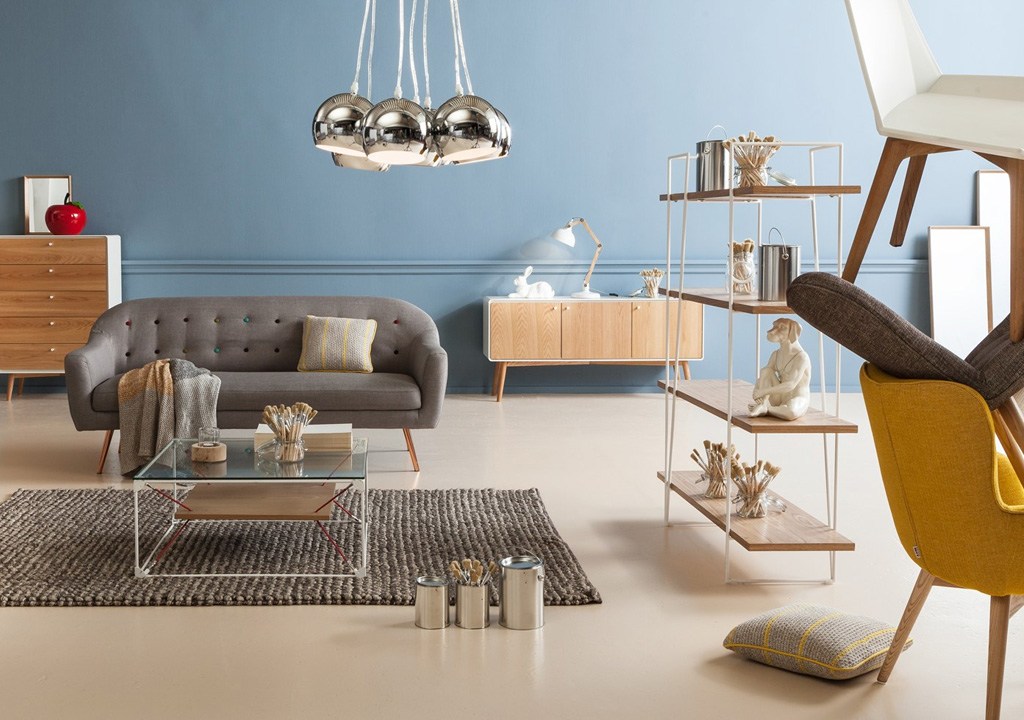
After years of rooms dominated by whites, creams, grays and soft earth tones, stronger color is finding its way back inside.
Not necessarily everywhere.
That’s what makes it more interesting.
A cobalt lamp in a mostly neutral room.
A mustard chair.
Deep burgundy on a wall.
A bright piece of artwork.
A patterned rug that introduces colors you wouldn’t have thought to put together.
Even kitchens and bathrooms are getting more adventurous with tile, cabinetry, wallpaper and fixtures.
You don’t have to suddenly become a maximalist.
One unexpected color can wake up an entire room.
And if your favorite color happens to be beige?
Keep the beige.
The point is choice, not rebellion.
Art is getting personal too
Art may be one of the easiest ways to make a home look like yours.
And no, every piece doesn’t need to coordinate with the sofa.
Choose work because you want to keep looking at it.
That could mean an original painting, photography, a print from an emerging artist, a textile, a vintage poster, children’s artwork in a great frame, or something you picked up while traveling.
Mix sizes.
Mix frames.
Lean something instead of hanging it.
Put art somewhere unexpected.
Most importantly, stop treating an empty wall like a problem that has to be solved immediately.
It’s okay to wait until you find something worth putting there.
The little things are doing more work
Statement decorating doesn’t always mean statement furniture.
Accessories are where a lot of personality can sneak in without requiring a room makeover.
Think:
A sculptural candle.
An interesting tray.
Colorful glassware.
A patterned throw.
Bookends that don’t take themselves too seriously.
A handmade vase.
A beautiful box.
A ridiculously good-looking tissue holder.
Yes, even the tissue box can participate.
Small objects are easy to move around, change with the season and collect over time. They also give you room to take chances you might not take with a sofa.
If you get tired of a bright orange bowl, move it.
That’s considerably easier than explaining to yourself why you bought a bright orange sectional.
Your home doesn’t have to perform for the internet
Maybe this is the biggest change of all.
For years, social media gave us an endless stream of rooms designed to be viewed through a screen.
There’s nothing wrong with wanting a photogenic home. But your house has another job.
You have to live there.
There will be chargers.
There will be mail.
Someone will leave a cup where it doesn’t belong.
The throw blanket will not remain artfully draped over the corner of the sofa.
A real home can still be beautiful.
It can also be comfortable, sentimental, slightly imperfect and full of things that make absolutely no sense in a styled photo.
The best rooms leave space for all of it.
Bring home what you like
Decorating gets much easier when you stop asking whether something fits a particular look and start asking whether you actually want to live with it.
Not everything needs to match.
Not every purchase needs to be forever.
And your home doesn’t have to resemble anyone else’s version of good taste.
Start with something you love.
Put it somewhere you can see it.
Then build from there.
Because the most interesting thing your home can look like is yours.